

By Saurabh Gupta
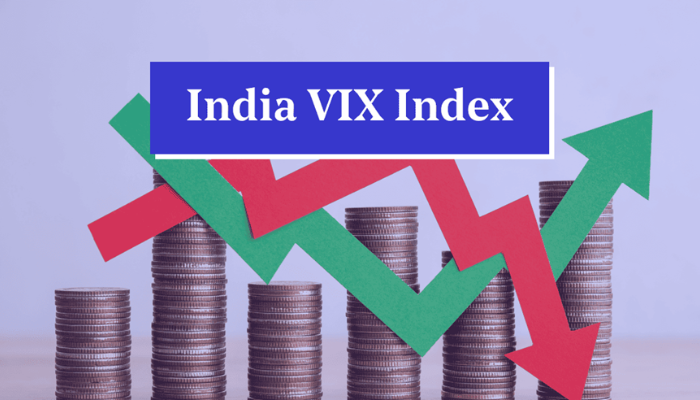
In the world of derivatives trading, volatility is as important as price direction. For Indian markets, the most widely tracked volatility measure is the India VIX (Volatility Index). Often referred to as the “fear gauge,” India VIX helps traders understand market sentiment and anticipate potential swings.
What is India VIX?
India VIX is derived from the Nifty 50 index option prices and reflects the market’s expectation of volatility over the next 30 calendar days. A higher VIX reading signals that traders expect sharp movements (up or down), while a lower reading suggests calmer, range-bound markets.
For example:
- A VIX of 12–14 usually in1dicates a stable market environment.
- A VIX above 20 signals heightened uncertainty, often during geopolitical events, policy changes, or sharp market sell-offs.
Why India VIX Matters for Option Traders
Options are priced using models (like Black-Scholes) that heavily depend on implied volatility (IV). India VIX is a proxy for this market-wide implied volatility, making it extremely relevant for option traders.
1. Identifying Expensive vs. Cheap Options
- High VIX = higher premiums. Options become costly since the market anticipates large swings.
- Low VIX = lower premiums. Traders pay less, but profit potential may be limited due to muted volatility.
For instance, during market corrections, VIX spikes and option sellers demand more premium for taking on risk. Conversely, when markets are calm, option buyers can enter trades at relatively lower costs.
2. Risk Management and Position Sizing
VIX helps traders gauge potential risk.
- In high-VIX phases, traders may reduce position sizes or use spreads instead of naked options.
- In low-VIX periods, traders might favor buying options to capture unexpected breakouts.
3. Timing Market Sentiment Shifts
VIX often rises before sharp corrections and falls during recoveries. Traders who track India VIX can align trades with these sentiment shifts rather than just relying on price charts.
Practical Tips for Using India VIX
- Always compare current VIX levels with its historical average—a VIX of 16 may be high if the average is 12, but low if the average is 22.
- Avoid trading solely on VIX. Combine it with support/resistance levels, open interest data, and technical charts.
- Remember: VIX measures volatility, not direction. A rising VIX only tells you markets will swing more—it doesn’t say whether they’ll go up or down.


No Comments